
The Ripple Effect: How Poor Sleep Harms Your Heart and Your Gut
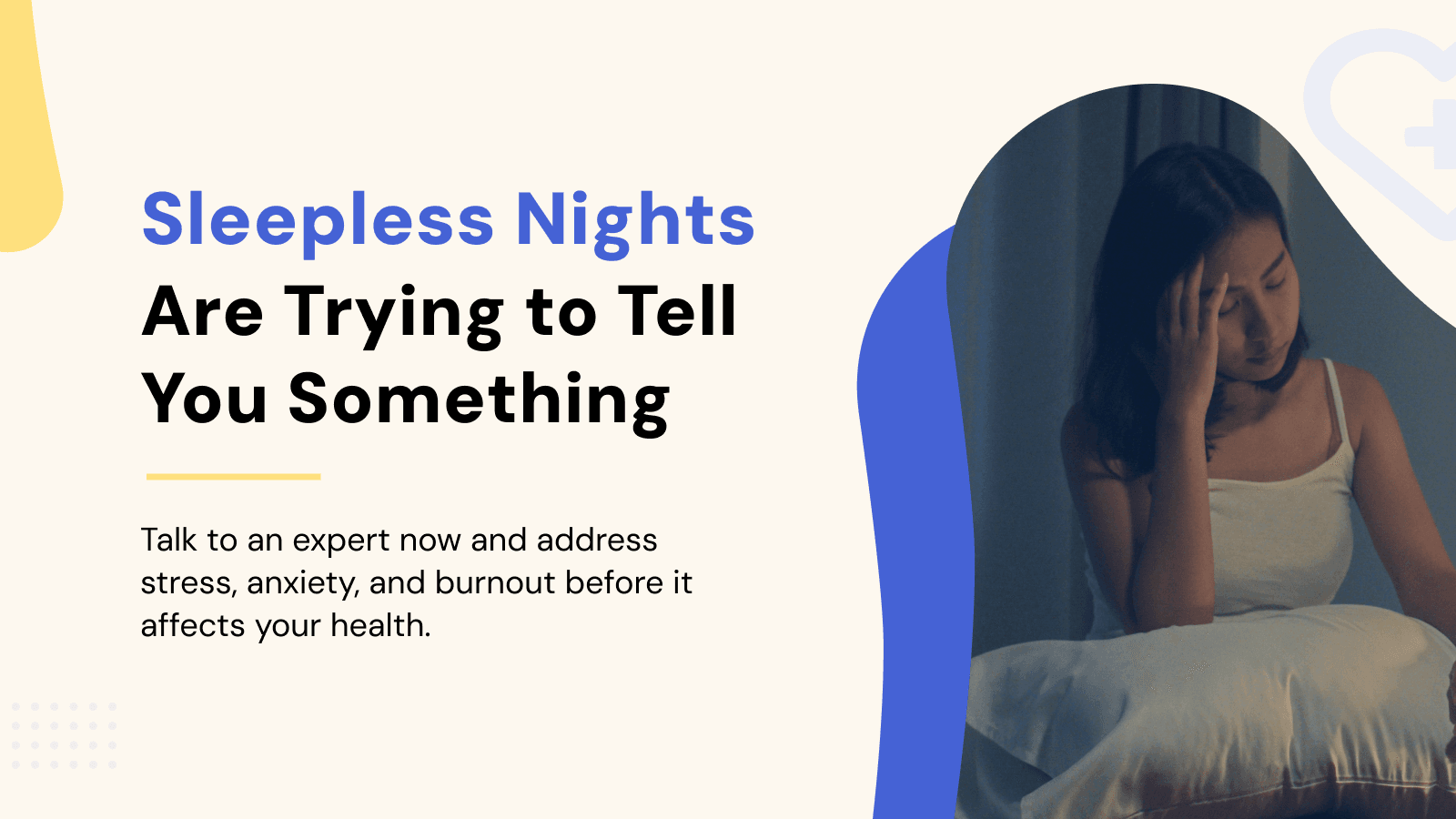
This has happened to us all. You lie awake all night, looking at the clock every hour, and when you finally get up you're feeling foggy, irritable, and completely reliant on that morning cup of coffee. We tend to focus only on the surface symptoms of poor sleep — dark circles, dragging mornings, and that 3:00 PM slump. Sleep can feel like a luxury, something we can afford to do less of when we're busy.
But here's the core truth: what happens if you don't get enough sleep? Lack of sleep disrupts your gut bacteria, increases inflammation, and raises blood pressure, increasing the risk of heart disease and digestive issues. The biological reality runs far deeper than a groggy morning.
Your body is not a compartmentalized system — it's a finely tuned ecosystem where every part is interconnected. Without quality sleep, it's like throwing a large rock into a quiet pond. The ripple travels directly to two of your most critical, interconnected organs: your gut and your heart.
The Sleep-Gut-Heart axis is a newly identified three-way communication happening inside you right now. Negative chain reactions set in unnoticed, quietly working their way through the digestive system and into the circulatory system. Understanding this ripple effect reveals why protecting your sleep is one of the most powerful things you can do for your long-term health.
1. The Gut-Heart Connection: Your Body's Hidden Highway
Before understanding how sleep loss affects you, it's important to appreciate the unexpected link between your gut and your heart. Most of us think of the gut as a simple food-processing tube — but it's far more complex than that.
Your gut microbiome — the community of billions of bacteria and microorganisms living in your stomach and intestines — is a vital control center. These microbes help break down food and produce beneficial compounds called short-chain fatty acids that act like natural medicine: reducing inflammation and keeping your blood vessels healthy and relaxed.
Your gut also has a protective wall — a gatekeeper that allows nutrients in while keeping waste and harmful bacteria out. When your gut ecosystem is balanced and healthy, this gatekeeper works perfectly. But when the gut falls out of balance (a condition doctors call dysbiosis), that wall weakens. This is what's known as a "leaky gut."
With a leaky gut, harmful toxins seep directly into your bloodstream, reach your heart and blood vessels, and trigger system-wide inflammation. And the number one secret cause of this cascade? Chronic poor sleep.
2. Step 1: How Sleep Loss Wrecks Your Gut
You may not realize it, but your gut bacteria also have a bedtime. The microbes in your stomach have their own 24-hour internal clock — a circadian rhythm — just like you do.
Some bacteria are active during the day, helping you digest meals. At night, a different population takes over: their job is to clean up, regulate your immune system, and heal the delicate lining of your stomach while you sleep. Frequent late-night screen time, irregular sleep schedules, or waking at different times throws this internal clock completely off.
The "Bad Guys" Take Over
Research shows that after only a few nights of poor sleep, the composition of gut bacteria shifts dramatically. Anti-inflammatory "good" bacteria die off, while pro-inflammatory "bad" bacteria multiply. The ratio of Firmicutes to Bacteroidetes tips heavily toward the harmful side — a bacterial imbalance strongly linked to weight gain, slow metabolism, and impaired digestion.
Setting Off the Biological Alarm
As harmful bacteria multiply, they break down the protective mucous layer of your stomach lining, triggering leaky gut. Dead bacteria then release toxic components called lipopolysaccharides into your bloodstream. Your immune system detects these intruders and enters a state of alarm, causing ongoing low-level inflammation — like a fire alarm that never turns off. Slowly and silently, this inflammation travels to your heart.

3. Step 2: From an Irritated Gut to a Strained Heart
Once gut toxins escape into your bloodstream, they cruise directly into your cardiovascular system. This is where the sleep-loss ripple effect becomes a direct threat to your heart.
Stiff Blood Vessels and High Blood Pressure
Healthy blood vessels are soft, flexible, and stretchy — like a clean rubber band. This elasticity allows them to expand and contract with every heartbeat, keeping blood pressure at a safe level. But when inflammation-laden blood constantly pumps through your body, it irritates the delicate inner lining of your vessels. Over time they become stiff, rigid, and narrow — like trying to push water through a rusted metal pipe instead of a flexible garden hose. Your heart has to work far harder against that resistance, directly causing hypertension.
Plaque Buildup and Clogged Arteries
A disrupted microbiome also changes the compounds your body produces. Instead of heart-protecting nutrients, it begins manufacturing a harmful compound called TMAO. Cardiologists have found that high TMAO levels act like biological glue, making cholesterol stick to artery walls far more easily and accelerating the dangerous plaque buildup known as atherosclerosis. This narrows your arteries and dramatically raises the long-term risk of heart attacks and strokes.
4. What the Science Says: The Heart Scarring Link
If you think a leaky gut only causes bloating or heartburn, independent medical research tells a far more serious story.
Highlighted Study: The Sleep-Heart Substrate
A landmark study published in the peer-reviewed journal Metabolites examined what happens to the heart's physical structure during chronic sleep disruption. Researchers found that severe sleep restriction caused such significant gut dysbiosis and body-wide inflammation that it physically altered the anatomy of the heart. The traveling inflammation caused microscopic scarring (fibrosis) in the heart's upper chambers and led to unhealthy fat accumulation around heart tissue — permanently disrupting the heart's electrical grid and making subjects highly susceptible to Atrial Fibrillation (AFib), a dangerous arrhythmia that can trigger blood clots and heart failure.
5. The "Fight or Flight" Trap
While the gut acts as a chemical pathway to the heart, sleep deprivation also damages your cardiovascular system through a direct neurological route. Your body balances two primary states: the Parasympathetic ("Rest and Digest") state when you're relaxed and sleeping, and the Sympathetic ("Fight or Flight") state when you're stressed or in danger.
During deep, uninterrupted sleep, your "rest and digest" system takes full control. Doctors call this a "cardiovascular holiday." Your heart rate drops, your blood pressure falls by 10–20%, and your heart gets a chance to relax, heal, and repair from the day's work.
When sleep is disrupted, you are robbed of this holiday. Your brain, sensing it isn't getting the rest it needs, assumes you are under threat and locks your body into a permanent fight-or-flight mode. Your adrenal glands flood your system with cortisol and adrenaline — forcing your heart to beat faster and keeping blood pressure dangerously elevated all night. Worse, high cortisol levels actively poison your gut microbiome, killing off more good bacteria and feeding the vicious cycle.
6. Reversing the Ripple Effect: Four Steps to Heal
The good news about the Sleep-Gut-Heart axis is that it works both ways. Just as poor sleep harms your organs, improving your sleep can actively heal your gut and protect your heart. Start reversing the ripple effect tonight with these four practical habits.
Set a Consistent Sleep Schedule — Go to bed and wake up at the exact same time every day, even on weekends. A strict routine trains your internal clock and allows your gut bacteria to prepare for their nightly repair shift.
Close the Kitchen Early — Avoid large, heavy, or spicy meals within 2–3 hours of bedtime. Digestion raises your core body temperature and demands metabolic energy, making it harder to enter deep, restorative sleep.
Feed Your Helpful Bacteria — Eat a diet rich in fiber, fruits, vegetables, and healthy fats (a Mediterranean-style diet). Foods like oats, berries, garlic, onions, and leafy greens are packed with prebiotics that fuel good gut bacteria and help them produce heart-healthy compounds.
Unplug and Dim the Lights — The blue light from screens tricks your brain into thinking it's the middle of the afternoon, suppressing melatonin production. Swap screen time for a book, stretching, or calming music in the hour before bed.
The Bottom Line
Your body is an interconnected masterpiece. Your brain, gut, and heart are all on the same team. Viewing sleep as a non-negotiable priority — rather than an optional luxury — is one of the kindest and most effective things you can do for your long-term health.
At Compassion Health, we believe in looking at the whole picture of your well-being. By prioritizing a peaceful night's rest, you aren't just curing tomorrow's morning fatigue. You are actively reducing inflammation in your gut, keeping your blood vessels flexible, and safeguarding your heart for a vibrant, healthy future. If stress, anxiety, or persistent sleep issues are holding you back, our licensed therapists are here to help — anytime, anywhere.
FAQs
1. How many hours of sleep do I need to protect my heart and gut?
For most adults, the sweet spot is 7 to 9 hours of uninterrupted sleep per night. Sleeping fewer than 6 hours consistently deprives your body of the deep, slow-wave sleep stages where your heart rate slows to rest and your gut bacteria perform vital cell repairs.
2. Can taking probiotics fix a gut damaged by poor sleep?
While a high-quality probiotic can support your digestive tract, it cannot fully undo the effects of chronic sleep loss. If you continue disrupting your circadian clock, newly introduced healthy bacteria will struggle to survive. True healing requires pairing a balanced diet with consistent sleep habits.
3. What are the first signs that my sleep loss is affecting my gut?
Early warning signs include frequent bloating, gas, acid reflux, unexpected changes in bowel habits (constipation or diarrhea), and intense cravings for sugar or processed carbohydrates.
4. Is a regular sleep schedule important even if I still get 8 hours?
Yes. Going to bed at 2:00 AM and waking at 10:00 AM on weekends throws off your internal biological clock just as much as sleep restriction. Your gut bacteria operate on a strict 24-hour cycle, so keeping a consistent sleep and wake time is crucial to keeping them balanced and healthy.

 June 11, 2026
Search
Categories
Ready to Feel Better?
Don't wait days for care. Get the help you need-today.
